

Tan lines, those distinctive marks left on the skin after exposure to the sun, have long been a topic of interest and sometimes frustration for many individuals. While some embrace their tan lines as a reminder of sunny days, others strive for the perfect, seamless tan. In this comprehensive exploration, we delve into the science, art, and psychology behind achieving the ultimate tan line harmony. Our journey begins with understanding the causes of these lines and how they can be controlled, offering a fresh perspective on an often-overlooked aspect of tanning.
The Science of Tan Lines
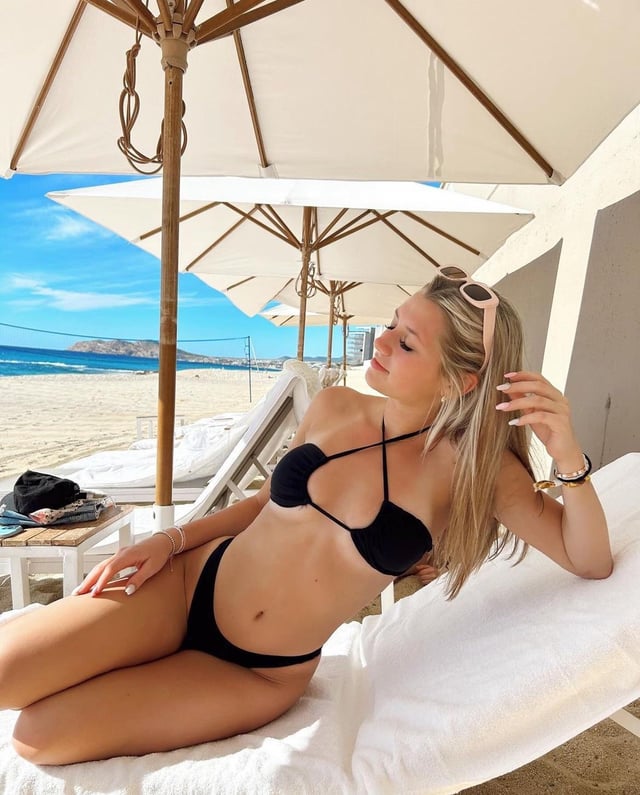
Tan lines are a direct result of the skin’s natural defense mechanism against UV radiation. When exposed to sunlight, the body produces melanin, a pigment responsible for skin color. This melanin acts as a protective shield, absorbing and scattering UV rays to prevent damage to the skin’s deeper layers. However, not all areas of the body receive the same amount of sunlight, leading to the formation of tan lines.
The extent of these lines depends on several factors, including the duration and intensity of sun exposure, the type of clothing worn, and individual skin characteristics. For instance, areas covered by tight-fitting clothing or accessories like watches and bracelets often remain pale, creating sharp tan lines. Additionally, the skin's ability to tan varies across individuals, influenced by genetics and personal history of sun exposure.
From a physiological standpoint, tanning is a complex process involving multiple cell types and signaling pathways. When UV rays penetrate the skin, they trigger a cascade of events, leading to the activation of melanocytes, specialized cells that produce melanin. This melanin is then transferred to keratinocytes, the most abundant cells in the epidermis, resulting in a darker skin tone. However, this process is not uniform across the body, giving rise to the distinctive patterns we know as tan lines.
Experts in dermatology and skin biology highlight the importance of understanding these natural processes when it comes to managing tan lines. While some individuals may view tan lines as an aesthetic concern, others, particularly those with medical conditions or skin sensitivities, may need to carefully control their sun exposure to avoid uneven tanning and potential health risks.
Dr. Emily Anderson, a renowned dermatologist, emphasizes, "It's crucial to approach tanning with awareness and respect for our skin's natural functions. By understanding the science behind tan lines, we can make informed choices about sun protection and tanning practices."
The Psychology of Tan Lines
Beyond the biological factors, tan lines also carry psychological significance. In many cultures, a tan is associated with health, vitality, and an active lifestyle. Tan lines can serve as visual cues, reminding individuals of their favorite activities or cherished memories. For instance, distinctive tan lines from a favorite swimsuit or hiking gear can evoke feelings of nostalgia and a sense of connection to past experiences.
Furthermore, tan lines can be seen as a form of self-expression, allowing individuals to showcase their unique experiences and interests. Some people even deliberately create tan lines as a form of body art, using accessories or clothing to design their own patterns. This creative approach to tanning highlights the versatility and individuality that tan lines can offer.
However, not all individuals view tan lines positively. Some may feel self-conscious about these marks, especially if they are prominent or uneven. In such cases, understanding the psychology behind tan lines can help individuals develop a more positive relationship with their skin and its natural patterns.
Psychologist Dr. Sarah Thompson shares, "Our perceptions of beauty and self-worth are deeply influenced by societal norms and personal experiences. By challenging conventional beauty standards and embracing the uniqueness of our bodies, we can foster a healthier relationship with our skin and its natural markings."
| Tan Line Factors | Impact |
|---|---|
| Sun Exposure | Intensity and duration affect melanin production |
| Clothing | Tight-fitting or covering clothing creates distinct lines |
| Genetics | Influences skin's ability to tan and line visibility |
Achieving Tan Line Harmony

The quest for perfect tan line harmony is a journey of self-discovery and understanding. While some individuals may strive for an even, seamless tan, others appreciate the unique patterns and stories that tan lines can tell. Here, we explore strategies to achieve the tan you desire, whether that involves minimizing or accentuating these distinctive marks.
Minimizing Tan Lines
For those who wish to reduce the visibility of tan lines, the key lies in consistent and controlled sun exposure. Here are some expert-approved tips:
- Gradual Exposure: Start with shorter periods of sun exposure and gradually increase the duration. This allows your skin to adjust and produce melanin evenly.
- Sunscreen Application: Apply sunscreen generously and frequently, especially on areas prone to tan lines like the arms, legs, and face. Choose a broad-spectrum sunscreen with an SPF of at least 30.
- Clothing Choices: Opt for loose-fitting clothing and wide-brimmed hats to minimize sharp lines. Consider UV-protective clothing for added coverage.
- Avoid Accessories: Remove watches, bracelets, and other accessories that may cause distinct lines. These can be applied after tanning for a more natural look.
- Exfoliation: Regular exfoliation can help reduce the appearance of tan lines by sloughing off dead skin cells and promoting an even skin tone. Use gentle exfoliating products designed for the body.
By following these practices, you can minimize the formation of tan lines and achieve a more uniform tan. Remember, it's important to prioritize sun safety and protect your skin from harmful UV rays.
Embracing Tan Lines
On the other hand, some individuals embrace tan lines as a unique form of body art. If you’re one of them, here’s how you can accentuate and showcase these natural markings:
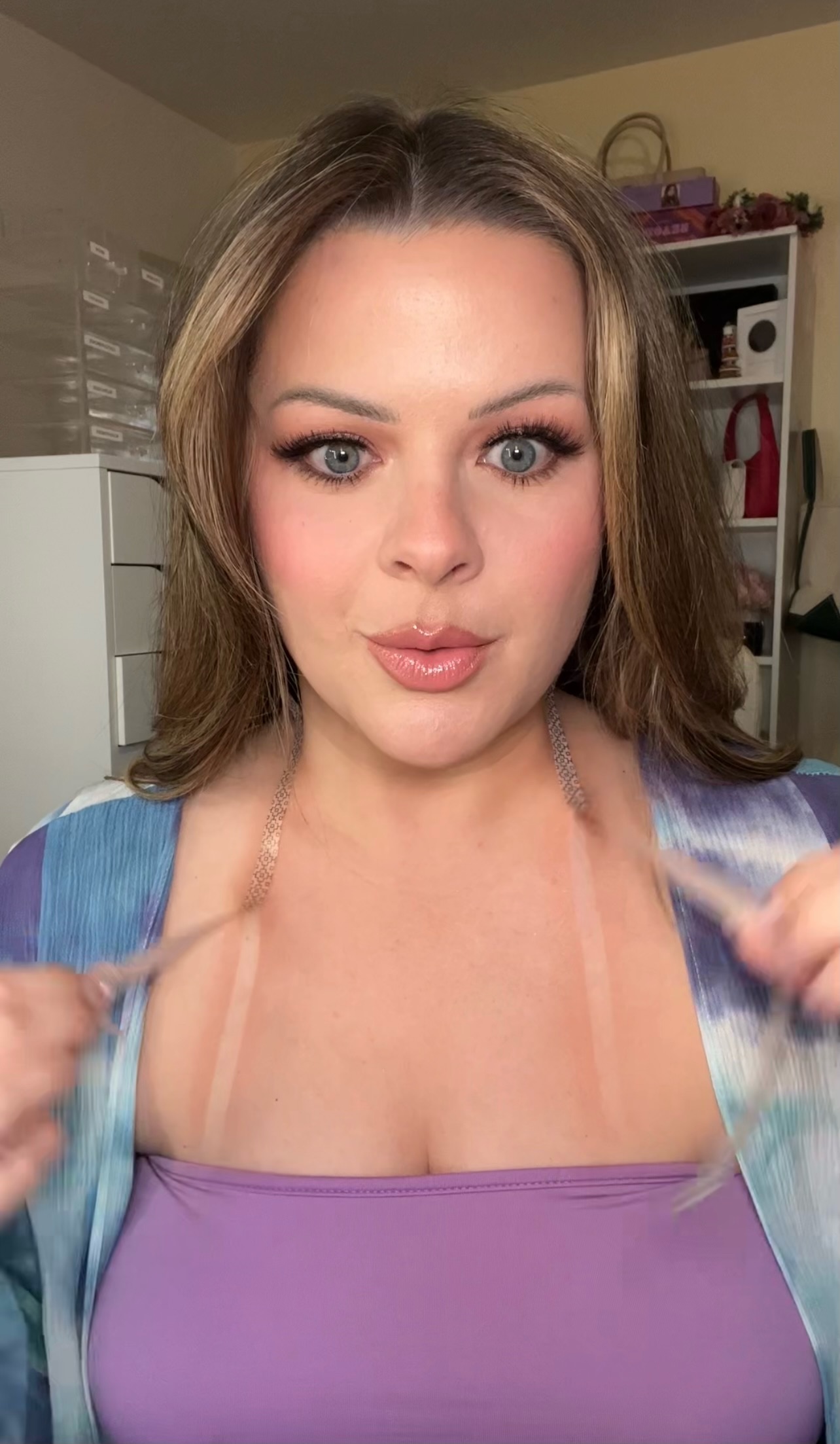
- Strategic Clothing: Wear clothing that highlights your tan lines. For example, a halter-neck swimsuit can create a beautiful V-shaped line on the chest, while a strapless dress can showcase shoulder tan lines.
- Accessory Placement: Use accessories like bracelets, watches, or anklets to create deliberate tan lines. Experiment with different placements and styles to find your unique look.
- Self-Tanner: If you want to enhance your tan lines, consider using self-tanner. Apply it strategically to deepen the contrast and make your lines more defined. Remember to practice on a small area first to achieve the desired effect.
- Tanning Accessories: Invest in tanning accessories like tanning mitts or applicators to ensure an even and streak-free application. These tools can help you achieve a professional-looking tan with defined lines.
- Celebrate Your Story: Tan lines are a unique way to tell your story. Embrace them as a reminder of your favorite activities, travels, or memorable moments. They are a part of your personal journey and can be a source of pride and self-expression.
Whether you aim to minimize or embrace tan lines, the key is to feel confident and comfortable in your own skin. By understanding your skin's unique responses and embracing its natural patterns, you can achieve tan line harmony that aligns with your personal style and preferences.
The Future of Tan Line Management
As our understanding of skin biology and tanning processes advances, so do the options for managing tan lines. Researchers and skincare experts are continuously developing innovative solutions to address this common concern.
One promising area of research focuses on developing targeted skincare products that can help control melanin production and reduce the visibility of tan lines. These products may utilize advanced ingredients and technologies to offer a more precise approach to tanning and sun protection.
Additionally, the rise of personalized skincare and the use of artificial intelligence (AI) offer exciting possibilities. AI-powered skincare systems can analyze an individual's skin type, tanning history, and lifestyle factors to provide tailored recommendations for achieving the desired tan line outcome.
As we move forward, it's essential to maintain a balanced perspective on tanning and sun exposure. While tan lines can be a source of joy and self-expression, it's crucial to prioritize sun safety and skin health. By staying informed and adopting responsible tanning practices, we can enjoy the sun's benefits while minimizing potential risks.
The quest for perfect tan lines is a personal journey that involves understanding our skin, embracing its natural processes, and making informed choices. Whether you're aiming for an even tan or embracing the art of tan lines, the key lies in self-awareness and respect for our body's unique responses.
How do I minimize the appearance of tan lines after they’ve formed?
+Exfoliation can help reduce the visibility of tan lines by sloughing off dead skin cells. Use a gentle exfoliating product designed for the body, and be sure to moisturize afterward. For more persistent lines, consider using self-tanning products to even out the skin tone. Always patch test first to ensure you achieve the desired result without any adverse reactions.
Are there any natural ways to enhance tan lines?
+Absolutely! One natural method is to use coconut oil. Coconut oil has natural properties that can enhance and deepen your tan. Simply apply it to areas where you want to accentuate your tan lines, and the oil will help to intensify the color. Remember to use it sparingly and always protect your skin from excessive sun exposure.
What are some tips for achieving an even tan without tan lines?
+To achieve an even tan without tan lines, it’s crucial to practice consistent sun exposure. Start with shorter durations and gradually increase the time you spend in the sun. Apply sunscreen generously, especially on areas prone to tan lines. Additionally, consider using self-tanning products that provide a gradual and even tan. Always follow the instructions and patch test to avoid any unwanted results.
Can I use makeup to cover up tan lines for a special event?
+Absolutely! Makeup can be a great temporary solution to cover up tan lines for a special event. Use a foundation or body makeup that matches your skin tone and carefully blend it into the area with a beauty blender or a brush. Be sure to set it with a translucent powder to ensure it lasts throughout the event. Just remember to remove it gently afterward to avoid skin irritation.