
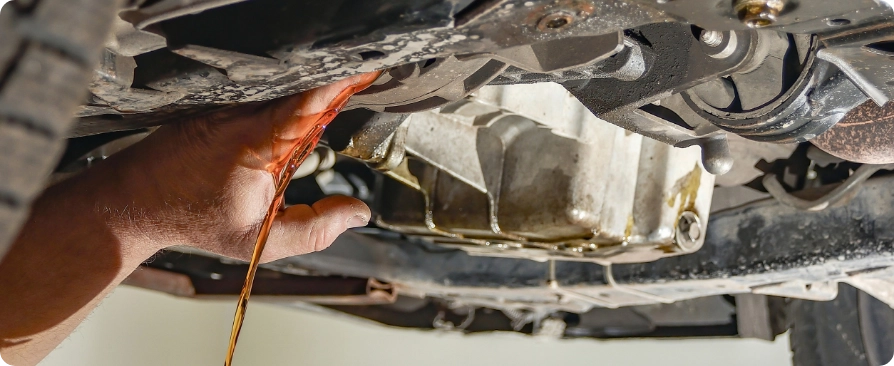
Oil leaks are a persistent issue for vehicle owners, often resulting in costly repairs and environmental concerns. This comprehensive guide delves into the world of oil leak prevention, offering expert insights and practical tips to keep your vehicle's lubrication system in optimal condition. By understanding the causes, consequences, and preventive measures, you can ensure the longevity of your vehicle and minimize the environmental impact of oil leaks. Let's explore the science behind oil leaks and uncover effective strategies to keep them at bay, a topic of utmost importance in today's automotive industry.,oil leak prevention,vehicle maintenance,automotive industry
Understanding Oil Leaks: Causes and Consequences
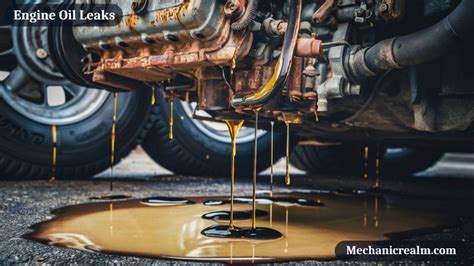
Oil leaks are a common yet complex issue, often stemming from various factors. The primary causes include wear and tear on seals and gaskets, which can occur over time due to the demanding conditions of the engine. Gasket failure is a frequent culprit, especially in older vehicles or those with high mileage. Additionally, loose or damaged oil pan bolts can lead to leaks, as can cracks in the engine block or oil pan itself. Environmental factors, such as extreme temperatures, can also contribute to oil leaks, causing materials to expand or contract unevenly and create openings for oil to escape. The consequences of oil leaks extend beyond the immediate repair costs. Oil leaks can lead to engine damage if not addressed promptly, as the loss of lubrication can result in excessive friction and heat, potentially causing catastrophic engine failure. Furthermore, the environmental impact of oil leaks is significant. Oil is a non-biodegradable substance, and when it leaks onto the ground, it can contaminate soil and water sources, posing risks to wildlife and ecosystems. Thus, preventing oil leaks is not just a matter of vehicle maintenance but also a responsibility to protect the environment.,oil leak causes,gasket failure,engine damage,environmental impact
Identifying Common Leak Sources
To effectively prevent oil leaks, it’s crucial to understand the most common sources. One of the primary areas to inspect is the valve cover gaskets, which can develop leaks over time due to the high temperatures and pressures they endure. Another critical component is the oil pan, which can develop leaks from corrosion or physical damage. The oil filter housing and engine block are also potential leak sites, especially if the seals or gaskets are damaged or improperly installed. Regularly inspecting these components and addressing any signs of wear or damage is essential for maintaining a leak-free lubrication system.,valve cover gaskets,oil pan leaks,oil filter housing
| Component | Potential Leak Source |
|---|---|
| Valve Cover Gaskets | High-temperature wear and tear |
| Oil Pan | Corrosion, physical damage |
| Oil Filter Housing | Seal damage, improper installation |
| Engine Block | Gasket failure, corrosion |
Oil leak prevention, valve cover gaskets, oil pan maintenance, oil filter housing
Preventive Maintenance: The First Line of Defense
Preventive maintenance is the cornerstone of oil leak prevention. By regularly inspecting and maintaining your vehicle, you can identify potential issues before they turn into costly repairs. Here are some essential maintenance practices to incorporate into your routine.,preventive maintenance,regular inspections
- Change Oil and Filters Regularly: Adhering to the manufacturer's recommended oil change intervals is crucial. Over time, oil can degrade and lose its lubricating properties, increasing the risk of leaks. Changing the oil and filters ensures that your engine is lubricated with fresh, clean oil, reducing the chances of gasket and seal degradation.
- Inspect Seals and Gaskets: During routine maintenance, thoroughly inspect all seals and gaskets for signs of wear or damage. Replace any that show cracks, tears, or signs of deterioration. This includes valve cover gaskets, oil pan gaskets, and crankshaft seals.
- Check for Leaks: As part of your routine inspections, thoroughly check for any signs of oil leaks. Look for wet spots or drips under the vehicle, especially after it's been parked for a while. Use a flashlight to inspect hard-to-see areas, and don't forget to check the oil pan for any signs of corrosion or damage.
- Keep Up with Tune-Ups: Regular tune-ups are essential for maintaining the overall health of your vehicle. During these tune-ups, your mechanic can identify and address any potential issues, including oil leaks, before they become major problems.
By staying proactive with preventive maintenance, you can significantly reduce the risk of oil leaks and extend the life of your vehicle's lubrication system.,oil change intervals,tune-ups,seal inspection
The Role of Quality Lubricants
The type of oil you use can also play a significant role in preventing oil leaks. Using high-quality lubricants that meet or exceed the manufacturer’s specifications is crucial. These lubricants are designed to withstand the high temperatures and pressures of the engine, reducing the risk of gasket and seal failure. Additionally, some lubricants are formulated with additives that can help condition and rejuvenate seals, further reducing the likelihood of leaks. Always refer to your vehicle’s owner’s manual for the recommended oil type and viscosity. If you’re unsure, consult a trusted mechanic or automotive specialist.,high-quality lubricants,seal conditioning,lubricant additives
Oil leak prevention, quality lubricants, preventive maintenance, seal conditioning
Addressing Oil Leaks: Repair Strategies
Despite your best efforts, oil leaks can still occur. When this happens, it’s crucial to address the issue promptly to prevent further damage. Here’s a step-by-step guide on what to do if you discover an oil leak.,repair strategies,prompt action
- Identify the Source: Before attempting any repairs, it's essential to identify the exact source of the leak. This will guide your repair strategy and help you choose the appropriate parts. As mentioned earlier, common leak sources include valve cover gaskets, oil pan seals, and engine block gaskets.
- Clean the Area: Once you've identified the leak source, clean the area thoroughly. This will help you assess the extent of the damage and ensure a proper fit for the new parts. Use a degreaser to remove any oil residue, and allow the area to dry completely before proceeding.
- Choose the Right Repair Kit or Parts: Depending on the source of the leak, you'll need to select the appropriate repair kit or parts. For example, if the valve cover gasket is leaking, you'll need a new gasket. If the oil pan is damaged, you may need a new oil pan and gasket.
- Follow the Manufacturer's Instructions: When installing new parts, always refer to the manufacturer's instructions. This ensures that the parts are installed correctly and provides guidance on any special tools or techniques required. Proper installation is crucial to prevent future leaks.
- Regularly Monitor for Leaks: After repairing the leak, it's important to monitor the area regularly. Keep an eye out for any new leaks or signs of oil loss. If the issue persists, it may indicate a more significant problem, and you should consult a professional mechanic.
By following these repair strategies and staying vigilant, you can effectively address oil leaks and keep your vehicle's lubrication system functioning optimally.,oil leak identification,repair kits,monitoring leaks
Advanced Repair Techniques
In some cases, oil leaks may require more advanced repair techniques. For instance, gasket sealing compounds can be used to repair minor leaks in hard-to-reach areas, such as the cylinder head gasket. However, these compounds should be used with caution and only as a temporary solution until a permanent repair can be made. Another advanced technique is the use of thermal sealing, which involves applying heat to create a seal between two surfaces. This method is often used to repair leaks in the oil pan or engine block. However, it requires specialized equipment and expertise, so it’s typically best left to professional mechanics.,gasket sealing compounds,thermal sealing,advanced repair techniques
Oil leak prevention, advanced repairs, gasket sealing, thermal sealing
What are the common signs of an oil leak in my vehicle?
+Common signs of an oil leak include visible oil spots or stains under the vehicle, especially after parking for an extended period. You may also notice a burning oil smell or see smoke coming from the engine bay. Additionally, your vehicle’s oil level may drop rapidly between oil changes, and you might notice a decrease in engine performance or increased fuel consumption.,oil leak signs,engine performance
How often should I check for oil leaks in my vehicle?
+It’s recommended to check for oil leaks regularly, especially during routine maintenance checks. Ideally, you should inspect your vehicle for oil leaks every few months or whenever you notice any unusual symptoms. Regular checks allow you to identify and address minor issues before they become major problems.,regular checks,symptoms
Can I prevent oil leaks by using a different type of oil in my vehicle?
+While using high-quality lubricants can help reduce the risk of oil leaks, it’s essential to follow the manufacturer’s recommendations for your vehicle. Using the wrong type or viscosity of oil can actually increase the risk of leaks and damage to your engine. Always refer to your vehicle’s owner’s manual for the recommended oil type and consult a professional if you’re unsure.,lubricant selection,manufacturer’s recommendations
What should I do if I find an oil leak in my vehicle?
+If you discover an oil leak, it’s crucial to address it promptly. First, identify the source of the leak and clean the area thoroughly. Then, select the appropriate repair kit or parts and follow the manufacturer’s instructions for installation. Regularly monitor the area for any new leaks, and if the issue persists, consult a professional mechanic.,prompt action,repair kits